Housing Crisis Strategies in the European Old World as Resilience Strategies in Post-Covid Historical American Tourist Destinations
Introduction
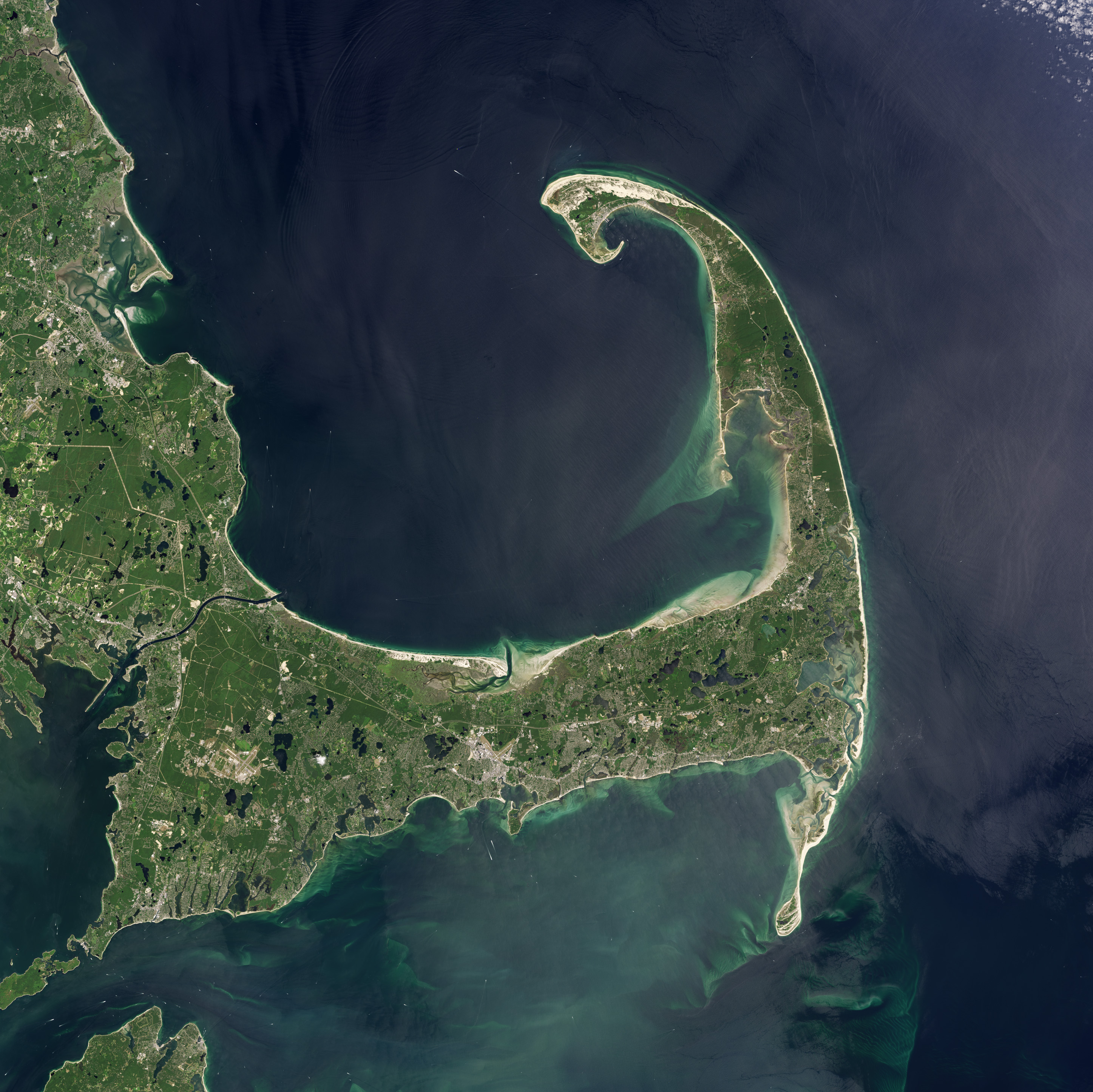
Looking at cultural strategies that have historically been the bedrock of resiliency in ancient cities, can community developers use modern strategies in Old World cities to inform New World American communities through their disaster continuum cycle? This article uses America’s original Old World region, Cape Cod, as a backdrop for approaching the syndemic effects of a housing shortage with the global COVID pandemic in areas that have shearing outside economic forces. In the Cape’s case these forces include tourism, retired demographics, economic inequality, labor shortages, and the pressures of having to carry the collision of two continents and the birth of a nation on its shoulders.
Cape Cod
Housing Dynamics
Regional Cape Cod and its governmental designate, Barnstable County, grapples with distinctive challenges in its housing dynamics, revealing an interplay of historical, geographical, and demographic factors. The region faces constraints characterized by a scarcity of housing supply and a limited range of housing types. Predominantly the housing stock is owner-occupied and dominated by single-unit detached homes. The region contends with challenges in providing affordable, year-round rental options. The concentration of seasonal homes, notably in the Lower Cape and Outer Cape sub-regions, contributes to the seasonality factor in the housing market (Cape Cod Commission, 2018).
An exploration of historical housing patterns uncovers a surge in popularity during the latter half of the 20th century, marked by a preference for single-family homes. Despite some growth in multi-family properties, the majority of residences date back to the mid-20th century, necessitating adaptive strategies to accommodate changing demographic trends. With a housing unit count of 166,126 as of July 1, 2022, the housing landscape is notable for an owner-occupied housing unit rate of 80.8%. The median value of owner-occupied housing units is $445,500, reflecting the region’s affluence. However, the high median selected monthly owner costs, both with and without a mortgage, pose challenges to housing affordability (Cape Cod Commission, 2018)..
In the Figure below we have three different era’s on Cape Cod: pre-1800, 1900-1950, and 2020’s. From housing records data, we can locate the remaining housing current stock built prior to 1800 and see how the most useful, durable, and enduring properties were developed. In that first chart we can see a wide swath of housing stock and property usage with communal housing (reds) like apartments, duplexes, and condominium structures the smallest represented. This was a time when land was available but resources were not and housing was crucial to survival. In this era, farms dominated the region along with the land use needs of the major fishing fleets. Communal living is at its height due to a lack of speedy transportation. Cape Codders of this area are the family names that everything here is named after. The Nickerson’s, Eldredge’s, and Snow families still live here, some still on this land that town centers were built where the main buildings of note were the church, the store, the restaurant, and the Captain’s House.
In the second chart we illustrate the next major building era of Cape Cod, the 1900-1950’s. This is the era that occurs after the main industry of fishing empties out due to the economic disaster brought on by weir traps. This is the era of artists in dune shacks and families in the summer inspired by Emerson’s fresh air and nature. A time immortalized by Patti Page’s Old Cape Cod, released in 1957 showing how antique the area had become by the 1960’s. The housing stock that remains of that era is dominated by extra small lot single family homes, median size .33 acres unlike their older counterparts at nearly 1 acre. What once was likely structures that provided 3 season comforts have mostly all been converted into year round homes and rentals, but that has only fed the second home vacation market, not stabilized a year round population that cannot find housing commiserate with pay. Along with the cottages came the full blown down towns of the area which included communal housing like duplex, triplex, and apartments over businesses. While the loss of major farms and fishing can be seen, the broad spectrum of housing still remained.
The last section is the 2020’s. In the middle of a housing crisis, Cape Cod has completely reduced its choices of new domiciles and of those they skew towards large single family homes and apartments. With a lack of small, affordable entry level houses, the region has lost a significant portion of its working age population to the mainland. It is not uncommon to hear birth/death rates like Chatham, MA’s 103 deaths to only 2 births in 2016 or the towns being forced to regionalize schools in hopes of maintaining some education system.

A core challenge in the region lies in the affordability gap, with comparatively lower average wages struggling to meet high housing costs. Median household incomes, falling short of the amount required to affordably purchase a median-priced home, intensify through persistent increases in median sales prices and diminishing home inventories due to the pressures of retirees and tourist markets. These act as one-two punches to prevent economic development by driving able bodied workers away and only providing economic opportunities between the months of June and September (Cape Cod Commission, 2018).
Economic Landscape
Barnstable County’s economic landscape is intricately tied to its identity as a tourism hub. Dominated by sectors such as Health Care and Social Assistance, Retail Trade, and Accommodation and Food Services, the region faces an economic paradox where the highest contributing industries do not correspond with the highest paying(Cape Cod Commission, 2018)..
The region’s labor market experiences significant fluctuations due to the seasonal nature of its economy. The COVID-19 pandemic exacerbated this volatility, resulting in a spike in unemployment in 2020, particularly in vital industries. The labor force participation rate stands at 59.5%, with the female labor force constituting 55.6%. Median annual wages, lower than the state median, reflect the challenges faced by workers on the Cape. A notable disjunction exists between the most common occupations and those with the highest median annual wages, emphasizing the economic divide (Data Source, CCC, 2018).
Demographic Trends
Cape Cod, within Barnstable County, is marked by a dynamic demographic landscape, characterized by a population of 232,457 as of July 1, 2022. The region experienced a modest growth rate of 1.5% from the estimates base in April 2020. The 2020 Census reported a population of 228,996, reflecting a continual upward trajectory since the 2010 Census, which recorded 215,888 residents (Cape Cod Commission, 2018)..
The age distribution underscores the prevalence of an aging population, with 33.2% of individuals aged 65 and over, higher than the national average. Additionally, 13.8% are under 18 years old, and 3.3% are under 5 years old. The demographic composition is predominantly female, constituting 51.8% of the population (Data Source, CCC, 2018).
Barnstable County exhibits a predominantly White population, accounting for 91.8%, followed by Black or African American (3.8%), Asian (1.7%), and Two or More Races (1.9%). Hispanic or Latino individuals make up 3.7% of the population, emphasizing the region’s emerging racial and ethnic diversity (Data Source, CCC, 2018). There is a distinctive Portuguese and Cape Verdean populations in the region who have traditionally a part of the demographic makeup since the rise of the fishing industry and, for the Portuguese, before the arrival of the Pilgrims. As well, there are indigenous Wampanoag who are Federally recognized with tribal lands located in Mashpee and on Martha’s Vineyard.
Educational attainment within the population is noteworthy, with 95.7% of individuals aged 25 and above holding a high school diploma or higher. Furthermore, 44.9% possess a bachelor’s degree or higher, highlighting the region’s emphasis on education. Accordingly, the median household income, adjusted to 2021 dollars, is $82,619, and the per capita income is $49,973. The poverty rate is relatively low at 8.0%, indicative of a generally economically stable population (Data Source, CCC, 2018).


Ecological Attributes
Barnstable County covers an area of 394.22 square miles, with a population density of 580.9 people per square mile as of 2020. This density has seen an increase from 2010 when it stood at 548.3 people per square mile. These geographic dimensions contribute to the region’s unique socio-economic and demographic dynamics, requiring ecology tailored policies and proximity planning to address the needs of its diverse and evolving population. One of the more interesting features of the ecology of the Cape is the ways in which it was informed by the environmental conditions and that legacy continues to be seen in GIS mapping. Below are four images of infrastructure on Cape Cod. The top two indicate dense structural development, like city centers (A), and the expanded services range within walking distance of necessary resources (B). The bottom left (C) we see major industrial areas where there are also higher dangers in environmental contamination. The bottom right (D) indicates all the set aside natural spaces, wetlands, ecologically fragile areas along with areas designated for high flooding.

From the pre-1800 development through to today, areas that were long dedicated as unbuildable due to flooding, lack of water, prone to direct line winds, and other ecological challenge were set aside as communal lands, later to become a part of the Cape’s land conservation efforts. Major industrial areas rarely overlap with housing as well, illustrated by the large swath of industry in the mid-Cape that is surrounded by dense housing. When industry arrived to the Cape, the large family farms accomodated the transition, while dense town centers remained the norm. 403 years of economic development since the Pilgrims arrived has proven many a fool of those who tried to tempt fate and build where even the Wampanoag would not live. It is perhaps this cultural ecological knowledge that keeps Barnstable County’s vulnerability ratings low and shows a high rate of resiliency against weather related disasters.
Definitions and Frameworks
Disaster Continuum and The Economics of Resilience
The disaster continuum is a conceptual framework that delineates the various phases of a disaster, encompassing preparedness, mitigation, response, and recovery. Rooted in emergency management, this continuum provides a structured understanding of the chronological progression of events and actions before, during, and after a disaster. It begins with preparedness, involving proactive measures such as planning, training, and resource allocation to enhance resilience. Mitigation follows, aiming to reduce the impact and severity of potential disasters through risk reduction strategies and infrastructure improvements (FEMA, 2018).
When a disaster strikes, the response phase is initiated, involving immediate actions to address the crisis, protect lives, and stabilize the situation. Following the response, the recovery phase focuses on restoring affected communities to a state of normalcy, emphasizing long-term rehabilitation, reconstruction, and the enhancement of resilience for future events. The disaster continuum underscores the interconnectedness of these phases, emphasizing the importance of a comprehensive and cyclical approach to disaster management (FEMA, 2018).
Resilience within the realm of housing and resources pertains to a community or housing system’s efficacy in proactively preparing for, enduring, responding to, and rebounding from adverse events or disruptions, such as natural disasters, economic downturns, or other impactful forces. It encompasses the capacity not only to absorb and adapt to the repercussions of these events but also to emerge from them in a strengthened and more sustainable state (FEMA, 2018).
Within this context, quantifiable metrics for gauging resilience in housing and resources encompass various dimensions. Housing stability, for instance, can be assessed through factors such as the affordability of housing, reflecting the proportion of households dedicating a reasonable share of their income to housing costs. The diversity of housing options available to cater to distinct needs and demographics is another critical aspect. Similarly, homeownership rates can serve as an indicator of stability and enduring investment in the community.
The resilience of community infrastructure involves evaluating the accessibility and reliability of transportation systems, including roads and public transit, to ensure connectivity during disruptions. The continual availability of critical services, such as healthcare, education, and emergency services, is equally vital. Economic resilience metrics include the diversity of employment opportunities, as a varied economy with multiple industries enhances resilience by mitigating vulnerability to downturns in specific sectors. Assessing income equality provides insights into wealth distribution and its potential impact on community recovery. Within the framework of environmental sustainability, metrics such as the presence of green spaces and their contribution to environmental health, along with preparedness measures for natural disasters, are key considerations (FEMA, 2018).
Lastly, evaluating social and community connectivity involves examining the strength of social support networks and the availability of cultural, educational, and social resources that foster community cohesion. Measuring resilience encompasses a comprehensive assessment of these factors over time, adapting strategies to fortify the community’s ability to navigate and recover from a spectrum of challenges (FEMA, 2018)
Circular Economies and Adaptive ReUse
A circular economy is an economic model designed to minimize waste and make the most of resources. Unlike the traditional linear economy, which follows a “take, make, dispose” pattern, a circular economy is regenerative by design. It aims to keep products, materials, and resources in use for as long as possible, extracting the maximum value from them, and then recovering and regenerating products and materials at the end of their life cycle. Key principles include designing for longevity and reuse, resource efficiency, closed-loop systems, minimization of environmental impact, and considering products as services (Deniz, et al., 2022). Adaptive reuse, within the framework of circular economies, involves repurposing existing buildings or structures to extend their life cycle and reduce waste. The goal is to align these reuse practices with circular economy principles, such as maximizing the use of existing resources, minimizing environmental impact, and promoting sustainability (Kağan & Damla, 2019). Adaptive reuse in circular economies includes designing buildings for longevity and easy disassembly, using resources efficiently, and creating closed-loop systems where materials are recycled or repurposed rather than discarded. The circularity performance of adaptive reuse practices is assessed based on indicators related to cultural values preservation, conservation intervention, and outcomes from use. The aim is to integrate adaptive reuse into circular economy strategies and promote sustainable practices in the preservation and repurposing of cultural heritage (Deniz, et al., 2022).
Environmental Retrofitting
In the context of historical areas and housing, the concept of energy retrofitting emerges as a pivotal strategy, embodying a systematic approach to fortify structures against the impacts of external stresses, with a particular focus on bolstering energy efficiency. Energy retrofitting involves targeted improvements such as enhancing insulation, upgrading heating and ventilation systems, and optimizing lighting installations. This multifaceted approach aims not only to elevate building performance concerning energy utilization and occupant comfort but also to enhance the structure’s resilience in the face of external challenges.
Central to this discussion is the notion of lifecycle cost, a comprehensive analysis that scrutinizes the financial landscape of a building or system over its entire existence. Lifecycle cost considerations extend beyond immediate expenses to include ongoing operational costs and maintenance outlays. This approach provides a holistic perspective, allowing stakeholders in historical areas to evaluate the economic viability and long-term resilience of implementing energy-efficient measures.
In the pursuit of fostering retrofit initiatives, incentive programs play a crucial role as catalysts, designed to motivate property owners and stakeholders toward resilient actions. These programs, often sponsored by governmental bodies or utilities, offer financial inducements, rebates, or subsidies, creating a supportive environment for widespread participation. The efficacy of these incentive programs is reflected in the adoption rate, indicating the percentage of eligible properties or structures actively engaging in retrofit endeavors. A high adoption rate signifies the successful integration of incentives, demonstrating a community commitment to enhancing resilience through sustainable practices in historical housing contexts.
Regulations, Resiliency, and Housing
The significance of regulations in disaster resiliency and response lies at the heart of establishing a structured and effective framework to mitigate the impact of adverse events on communities. Regulations play a pivotal role in shaping pre-emptive measures, response strategies, and recovery efforts, thereby enhancing a community’s ability to withstand and rebound from disasters. Furthermore, regulations contribute to post-disaster recovery by streamlining processes, optimizing resource distribution, and safeguarding against potential risks. In essence, a robust regulatory framework is fundamental to fostering a proactive, organized, and resilient approach to disasters, safeguarding both lives and the long-term well-being of communities. The following are a few types of regulations that can be used to strengthen a community’s housing and infrastructure resilience.
- Zoning Ordinances: Zoning ordinances are local laws that divide a municipality into different land use zones, prescribing the types of land use and development allowed in each zone. These regulations often influence the density, permissible structures, and land use activities within a community, aiming to achieve a balance between residential, commercial, and recreational spaces.
- Short-Term Rental Regulations: Short-term rental regulations pertain to rules governing the rental of residential properties for short durations, typically less than 30 days. These regulations may include licensing requirements, occupancy limits, and other stipulations to manage the impact of short-term rentals on housing availability, neighborhood character, and community well-being.
- Affordable Housing Initiatives: Affordable housing initiatives encompass a range of programs and policies aimed at increasing the availability of housing that is affordable to individuals or families with lower incomes. These initiatives may involve subsidies, incentives for developers, and the creation of designated affordable housing units to address housing affordability challenges within a community.
- Overtourism Regulations: Overtourism regulations focus on managing the negative impacts of excessive tourism on local communities. These regulations may include limits on the number of tourists, restrictions on short-term rentals, and measures to preserve the cultural and environmental integrity of a destination. The goal is to strike a balance between tourism-driven economic benefits and the preservation of the local community(Bei & Celata, 2023).
- Year-Round Rental Development: Year-round rental development refers to initiatives that aim to increase the availability of housing options for residents throughout the entire year. This may involve the construction of rental units, often in response to seasonal housing shortages, to provide stable housing for local residents, mitigate displacement, and enhance community sustainability.
- Housing Density Regulations: Housing density regulations prescribe the maximum number of housing units that can be developed on a given area of land. These regulations influence the spatial distribution and concentration of housing within a community, with the goal of achieving a balance between population density, infrastructure capacity, and maintaining the character of neighborhoods.
- Environmental Protection Measures: Environmental protection measures within housing regulations involve provisions to safeguard natural resources and ecosystems. These may include restrictions on construction in environmentally sensitive areas, regulations to ensure sustainable use of resources, and initiatives to address the environmental impact of housing development (Deniz, et al., 2021).
Case Studies
Netherland’s Historical Adaptive ReUse Initiatives
Context
The Netherlands embraced adaptive reuse as a strategic response to the aftermath of the 2008 financial recession. Faced with economic challenges, the country adopted a more flexible and liberal stance toward adaptive reuse of built heritage, encouraging private sector involvement and fostering collaborative engagement among local stakeholders. This shift was complemented by supportive policy agendas and legislative measures that aimed to stimulate economic activity, especially in the real estate and construction sectors (Deniz et al., 2021)
To promote adaptive reuse, the Netherlands implemented a series of initiatives, policies, and regulatory frameworks. Notably, the country introduced the ‘heritage act’ in 2016, which played a pivotal role in emphasizing the integration of cultural heritage values into broader planning contexts. Additionally, national programs and campaigns were launched to encourage citizen participation in heritage-related decision-making processes. These efforts aimed to enhance public awareness, engagement, and support for adaptive reuse practices (Deniz et al., 2021).
The Dutch government’s commitment to a holistic approach, combining cultural and economic values, contributed to the success of adaptive reuse initiatives. The integration of heritage appreciation into wider planning contexts, coupled with increased public involvement, created an environment conducive to the preservation of cultural values and the promotion of circular economy goals in the built environment.
Adaptive ReUse
Adaptive reuse, rooted in historical preservation, tactically repurposes existing structures for modern functions, championing sustainability by avoiding traditional demolition and construction. This practice not only safeguards cultural heritage but also economically stimulates communities through collaborative planning for the renewed use of historic buildings. Preserving the original character of these structures is crucial in adaptive reuse, both architecturally and culturally. This approach minimizes the environmental impact tied to new construction, aligning with principles of resource conservation and fostering a tangible link to the past (Pintossi et al., 2023) (Kağan & Damla, 2019).
Economically, adaptive reuse offers a pragmatic alternative to demolition, spurring economic growth within communities. However, navigating regulations for historic preservation is a challenge, demanding strict compliance to maintain historical integrity. Successful projects not only meet contemporary needs but also become educational hubs and tourist attractions, celebrating the charm and history of bygone eras (Kağan & Damla, 2019). In essence, adaptive reuse harmonizes historical fabric with modern functionality, embodying a sustainable urban development approach. Each project requires meticulous consideration of historical, cultural, and architectural contexts to strike a balance between preservation and adaptation (Pintossi et al., 2023).
Circular Economy
The fundamental principles of a circular economy features (Deniz et al., 2021):
- The Design for Longevity and Reuse: Products undergo meticulous design processes aimed at prolonging their lifespan, with components intricately fashioned for effortless disassembly and subsequent reuse.
- Resource Efficiency: A focal point is resource optimization, with an emphasis on waste reduction, and active promotion of material recycling and reuse.
- Closed-Loop Systems: Products and materials are intricately entwined within closed-loop systems, circumventing disposal in favor of recycling or repurposing.
- Minimization of Environmental Impact: The circular economy model ardently strives to mitigate the environmental repercussions of both production and consumption, championing sustainable practices.
- Product as a Service: This principle envisions a paradigm shift where consumers access products as services instead of possessing them outright, compelling companies to design robust and easily maintainable products.
Within the Netherlands, these principles find practical application in the evaluation of the circularity performance of adaptive reuse practices. Indicators related to the preservation of cultural values, the circularity of conservation interventions, and the circularity of outcomes from the use serve as metrics. The overarching objective is to discern the extent to which these adaptive reuse practices harmonize with circular economy goals, fostering sustainability and mitigating environmental impact in the preservation and repurposing of cultural heritage.
Critical Overlap with Cape Cod’s Challenges
The Netherlands’ historical initiatives in adaptive reuse present a compelling framework for Cape Cod, offering valuable insights into addressing current housing challenges, fostering resiliency, and guiding future development. Like the Dutch approach, Cape Cod grapples with the dual imperative of preserving its rich historical character while adapting to the evolving needs of its community. By drawing parallels and exploring additional dimensions, we can envision several benefits that the Cape could derive from the Dutch developmental approach (Deniz et al., 2021).
- Preservation of Cultural Heritage: Adaptive reuse, as championed by the Netherlands, stands as a strategic avenue for preserving Cape Cod’s cultural heritage. By repurposing existing structures for contemporary functionalities, Cape Cod can safeguard its architectural legacy which is a major part of its economic strength. A 500 year European presence and the indigenous Wampanoag provide a wealth of Traditional Ecological Knowledge (TEK) that is transcribed on the economic and housing patterns of the region and that knowledge is an important part of the Cape’s resiliency(Cape Cod Commission, 2018)..
- Economic Stimulus and Community Growth: Similar to the Netherlands, adaptive reuse can serve as an economic stimulant for Cape Cod. By strategically repurposing historic buildings, the Cape can create more vibrant economic hubs and tourist attractions focusing activity away from protected environmental areas (Kağan & Damla, 2019).. Given the region’s reliance on tourism and diverse industries, successful adaptive reuse projects could contribute significantly to community growth (Cape Cod Commission, 2018)..
- Circular Economy Integration and Environmental Consciousness: The Dutch commitment to a circular economy resonates strongly with Cape Cod’s environmental ethos. Applying these already embedded Cape Cod principles such as design for longevity, resource efficiency, and closed-loop systems can significantly reduce the environmental impact of construction and development on the Cape. Importantly, this aligns with the Cape’s unique environmental assets, including pristine beaches, coves, marine life such as fish, seals, and sharks. As the Cape relies heavily on its natural beauty for tourism, the integration of adaptive reuse with a circular economy mindset can contribute to the sustainability of the region’s environmental resources and offset higher costs with cultural and emotional payouts( Bei & Celata, 2023).
- Public Involvement, Awareness, and Balancing Historical Integrity: Public involvement and awareness, key components of the Dutch success story, can enhance community support for adaptive reuse practices on Cape Cod. Encouraging citizens to participate in decision-making processes ensures that development aligns with already existing Cape Cod community values. The delicate balance between preserving historical integrity and meeting contemporary needs, as navigated by the Netherlands, remains a shared challenge. However, the Cape, with its engaged community, is well-positioned to strike this balance effectively. Historical preservation is the life blood of most local community activity and tapping into this can provide some needed push to get work done (Kağan & Damla, 2019)..
- Future Repurposing and Lower Costs: A notable advantage of the Dutch model lies in the commitment to design for longevity and reuse (Deniz et al., 2021). This early focus on ensuring structures are easily re-purposed in the future not only aligns with principles of sustainability but also offers economic benefits. Cape Cod has already learned from this approach in it’s historical past. By using this approach it dovetails with existing cultural imperatives of frugality and utility which are hallmarks of Cape Cod’s culture.
The Netherlands’ historical adaptive reuse initiatives provide a roadmap for Cape Cod’s housing dynamics, resiliency enhancement, and future development. By embracing adaptive reuse, aligning with circular economy principles, and fostering community involvement, Cape Cod can embark on a trajectory that not only preserves its unique heritage but also ensures sustainable and resilient development. Importantly, the commitment to designing for future repurposing aligns with the Cape’s environmental consciousness and the crucial role of its natural beauty in sustaining the local tourist economy.
Traditional Ecological Knowledge
Cape Cod’s Mooncusser Culture

In the annals of Cape Cod history, a notorious group known as the Mooncussers left an indelible mark during the 18th and 19th centuries, striking terror into the hearts of sailors traversing the treacherous waters. These scoundrels, considered lazier cousins to pirates, devised a cunning and despicable method to pilfer valuables from ships navigating the high seas.
In an era where lighthouses were sparse, and the coastal beacons—Highland, Nauset, Chatham, and Monomoy Point—stood as the lone guides for sailors, Mooncussers seized the opportunity during the frequent shipwrecks along the Cape’s shores. Their modus operandi was both sinister and ingenious. As ships floundered in the darkness, especially on stormy nights, these land-loving pirates would traverse the coast on horseback, strategically placing large decoy lanterns. Spotting a distressed ship, they would wave the lantern, luring it closer to the perilous shores.
Once the unsuspecting vessel met its demise, Mooncussers swiftly disposed of the crew and plundered the cargo before rescue crews could arrive. The name “mooncusser” became synonymous with fear among sailors, representing a cunning breed of marauders adept at exploiting the moonlit nights.
The origin of the name itself is steeped in the moon’s influence on maritime visibility. Aware that moonlit nights provided clear visibility at sea, the scoundrels’ decoy lanterns were ineffective under such circumstances. Faced with failure, the Mooncussers would often shout, “Cuss the moon!” into the moonlit night, and over time, this phrase became emblematic of their deceitful exploits, solidifying their infamous reputation in Cape Cod’s maritime history.
Cape Cod’s Disaster Resiliency Impacts
Cape Cod, known for its resilient maritime history and the legacy of Mooncussers, faces challenges like winter storms and wind storms. Currently, the housing market on the Cape hasn’t fully embraced adaptive reuse and closed-loop systems. However, considering the region’s inherent scavenger culture, reminiscent of the Mooncussers’ resourcefulness, integrating these strategies could be a natural and impactful step towards disaster response and resiliency.
Looking back at the historical Cape Codders, who navigated challenges with creativity, the Cape’s housing market has the potential to tap into a legacy of resourceful thinking. While current strategies may not explicitly incorporate adaptive reuse and closed-loop systems, the cultural affinity for scavenging and repurposing could provide a seamless transition. This adoption aligns not only with circular economy ideals but also with the spirit of the Mooncussers who, in their time, faced challenges head-on with ingenuity.
Envisioning a future where Cape Cod integrates adaptive reuse and closed-loop systems into its housing practices, the region could optimize resource utilization for disaster response. The closed-loop system, emphasizing recycling and repurposing materials, would seamlessly integrate with the Cape’s existing cultural inclination towards salvaging valuable resources. For example, in the aftermath of a storm, repurposing materials from damaged structures for reconstruction efforts could significantly expedite recovery while minimizing waste.
Similarly, adaptive reuse, although not yet a widespread practice, aligns with the ethos of repurposing structures to withstand challenges. Converting existing buildings into emergency shelters during disasters, such as winter storms, ensures a swift and adaptable response (Deniz et al., 2021). This approach, rooted in both contemporary sustainability and the historical legacy of the Mooncussers, enhances Cape Cod’s resilience by providing dual-purpose structures that cater to daily life and emergency situations.
While Cape Cod may not have fully embraced these strategies, the potential for disaster response and resiliency is substantial. Merging contemporary practices with the cultural legacy of the Mooncussers, Cape Cod can not only address its housing needs sustainably but also enhance its ability to respond and recover swiftly in the face of weather-related challenges.
Czech Republic Environmental Retrofitting in Low Income Communities
Context
A research investigation into the energy retrofitting potential of Czech multi-family residential buildings constructed between 1945 and 1960. Given the substantial contribution of residential buildings to CO2 emissions, particularly in urban areas with higher incomes, the study addresses the challenge of extending energy retrofitting to low-income regions. The primary objective is to delineate an economically viable retrofitting concept applicable on a mass scale.
The methodology involved a meticulous multi-criteria assessment, incorporating environmental considerations, embodied and operational primary energy consumption, greenhouse gas emissions, as well as investment and operational costs. Diverse heating systems, including district heating, heat pumps, natural gas, and wooden pellets, are scrutinized within the assessment framework.
The study evaluated various retrofitting packages, encompassing both conventional and environmentally friendly solutions. Packages were analyzed based on their alignment with market preselection and environmental advantages. The research also integrates the MORE-CONNECT project solution, which employs prefabricated modules to expedite retrofitting and reduce overall energy consumption. The findings underscored the economic and environmental benefits of comprehensive building retrofitting. The identified measures demonstrate the potential to decrease environmental burden by 10–30%, even in the absence of photovoltaic installation. Moreover, the implementation of the proposed retrofitting measures could result in a remarkable 40% reduction in annual costs. The significance of devising cost-effective and ecologically sound retrofitting solutions, particularly for aging multi-family residential buildings cannot go unnoticed. The insights contribute valuable perspectives to the discourse on sustainable retrofitting practices in the Czech context.
Critical Overlap with Cape Cod Challenges
With 48.19% of Cape Cod’s housing categorized as extra small lot housing, 19.96% as small lot housing, and 12.36% as condos, the Czech study offers valuable insights for reducing housing costs overall. By tailoring energy-saving retrofitting packages to these prevalent housing types, Cape Cod can potentially transform its housing landscape (Cape Cod Commission, 2018).. Here’s how:
- Economies of Scale: The Czech study emphasizes a systematic approach to retrofitting, categorizing solutions into packages. Applying this method to the predominant housing types on Cape Cod allows for economies of scale. Mass implementation of standardized retrofitting packages for extra small and small lot housing can significantly reduce overall costs.
- Targeted Retrofitting Solutions: Recognizing the prevalence of very similar, small houses on Cape Cod, the study’s focus on identifying favorable retrofitting concepts for specific building typologies aligns with the Cape’s housing scenario. Targeted solutions for extra small lot housing, small lot housing, and condos can address common energy inefficiencies while keeping costs manageable.
- Affordability and Year-Round Living: By reducing the energy consumption of these small houses, the retrofitting packages can contribute to lowering utility bills for both year-round renters and homeowners. Affordability is a key factor in encouraging year-round living, and retrofitting can make these housing units more attractive for residents looking to stay on Cape Cod throughout the year.
- Incentivizing Retrofitting Programs: Government and community incentives for retrofitting programs, inspired by the Czech study’s cost and energy efficiency considerations, can further motivate homeowners to participate. Incentives might include tax breaks, grants, or subsidies for implementing energy-saving measures.
- Loss Leader Strategy: Leveraging these discounted and easily installed retrofitting packages as an incentive for housing units dedicated to year-round rentals or owned housing encourages year-round occupancy. By offering energy-efficient homes, property owners can attract residents with the prospect of lower utility costs, creating a win-win situation for both homeowners and tenants.
- Preservation of Historical Housing Stock: Cape Cod’s historical housing stock adds a unique layer to the housing landscape. The Czech study’s multi-criteria assessment approach can help in preserving the historical charm of these houses while making them more energy-efficient. Retrofitting can enhance the sustainability of older homes, contributing to the overall character of the region.
- Community-Wide Impact: The widespread application of retrofitting packages can have a ripple effect on the entire community. Reduced energy consumption not only benefits individual homeowners but also aligns with broader environmental goals and sustainability initiatives on Cape Cod.
The Czech study’s methodology, when adapted to Cape Cod’s housing landscape, has the potential to significantly reduce housing costs, promote year-round living, and contribute to the preservation of the region’s unique character. Retrofitting packages tailored to the prevalent housing types can serve as a catalyst for positive change, making Cape Cod’s housing more sustainable and affordable.
Traditional Ecological Knowledge
The Salt Box

In the quaint landscapes of Cape Cod, where maritime winters can be both picturesque and challenging, the saltbox house style has seamlessly woven itself into the region’s architectural tapestry. This unique design, an evolution of the traditional Cape Cod houses, stands as a testament to both historical ingenuity and ecological mindfulness.
Originating in the 17th and 18th centuries, Cape Cod’s saltbox houses bear a name derived from the wooden salt containers of the colonial era, reflecting their simple and functional design. Recognizable by their one-sided sloped rooflines, these homes often serve as expansions to existing Cape Cod structures, seamlessly blending the old with the new. Conceived as a pragmatic solution to add living space to the back of two-story homes, the saltbox style soon became synonymous with Cape Cod charm. The sloped roof, a distinctive feature, not only pays homage to the region’s architectural heritage but also addresses the practical challenges posed by the maritime climate.
Noteworthy advantages of the saltbox design lies in its ecological friendliness. The sloping roof not only channels snow to melt rapidly in the sun but also helps deflect the strong maritime winds, a crucial consideration in this coastal environment. This ecological aspect extends further, as the design aids in reducing heating costs during the colder months.
As a sustainable response to the Cape’s harsh weather conditions, saltbox houses demonstrate an inherent connection to the environment. By efficiently managing natural elements, these homes not only evoke a sense of historical charm but also offer a practical solution to the ecological challenges posed by Cape Cod’s maritime winters. Today, amidst the picturesque landscapes of Cape Cod, saltbox houses stand as living testaments to the region’s history and resilience, blending tradition with innovation in perfect harmony. (Sweet, 2020)
Cape Cod’s Disaster Resiliency Impact
The implementation of retrofitting solutions tailored to the prevalent housing types on Cape Cod stands as a robust strategy not only for addressing affordability concerns but also for fortifying the region’s resilience in the face of weather-related disasters, predominantly winter storms. This comprehensive approach encompasses a range of measures designed to enhance the structural integrity of homes and bolster their capacity to endure the unique challenges posed by Cape Cod’s climate.
Integration of weather-resilient materials and construction techniques emerges as a foundational element in this resilience-focused retrofitting paradigm. Such materials are adept at withstanding the adverse impacts of winter storms, positioning homes as formidable structures resilient to harsh weather conditions. Reinforcing key structural elements further fortifies buildings against the stresses imposed by heavy snow loads, high winds, and other winter-related adversities.
Retrofitting packages also prioritize energy-efficient heating systems, acknowledging the vulnerability of the region to power outages during storms. By reducing dependence on external power sources, these systems ensure habitability even in the absence of a reliable power supply, aligning with the imperative of maintaining functionality and comfort during adverse weather events.
Enhanced insulation features constitute a pivotal component of the retrofitting strategy, effectively regulating indoor temperatures amid Cape Cod’s winter conditions. This not only engenders energy savings but also fosters occupant comfort and safety by mitigating the impact of temperature fluctuations. The paradigm extends to storm-resistant windows and doors, safeguarding homes against the destructive forces of strong winds and airborne debris. This dual-purpose enhancement not only protects the structural integrity of homes but also prioritizes the safety of occupants.
In anticipating potential flood risks, proactive mitigation measures are embedded within the retrofitting packages. These may include elevation strategies for homes and the installation of barriers, collectively aimed at minimizing the vulnerability of structures to flooding during storm events. Embracing a holistic perspective, the retrofitting approach encompasses emergency preparedness features, ranging from backup power systems to improved communication infrastructure. Safe areas within homes are designated to shelter residents during storms, underscoring the importance of proactive measures in ensuring community-wide resilience.
Crucially, this retrofitting initiative transcends individual homes, fostering community-wide resilience planning. Collaborative efforts to implement retrofitting measures across neighborhoods contribute to a more resilient Cape Cod, adept at navigating the challenges posed by winter storms collectively. This forward-looking approach ensures that homes remain resilient and adaptable, effectively future-proofing the region’s housing stock. In essence, the retrofitting solutions not only fortify Cape Cod’s homes against the immediate impacts of winter storms but also cultivate a culture of preparedness and safety within the community. This transformative initiative aligns with the imperative of bolstering the region’s resilience, contributing to its overall sustainability and preparedness in the face of weather-related disasters.
Amsterdam’s Housing Balancing Act
Context
The city of Amsterdam has grappled with a profound challenge concerning short-term rentals (STRs), particularly in the context of platforms like Airbnb (Erdem & Erdem,2021). This issue became increasingly prominent before the COVID-19 pandemic, marked by a surge in the popularity of short-term rental services, contributing to a thriving tourism industry but also raising concerns about its impact on the local housing market. The pre-pandemic period saw a significant rise in properties being converted into short-term rentals, resulting in heightened housing costs and, in some instances, the displacement of long-term residents (European Commission, 2023).
As the pandemic unfolded, the global tourism landscape experienced a seismic shift. Travel restrictions, lockdowns, and safety concerns led to a sharp decline in tourism worldwide, including Amsterdam. The subsequent decrease in tourist arrivals had a pronounced effect on the demand for short-term rentals, posing financial challenges for property owners who heavily relied on tourism-related income. Simultaneously, the pandemic prompted a reevaluation of the role of short-term rentals in urban planning, with a renewed focus on the resilience of cities and the need for sustainable and inclusive housing policies (Bei & Celata, 2023).
In the aftermath of the pandemic, Amsterdam entered a phase of recovery, navigating the delicate balance between reviving its tourism industry and addressing the negative consequences associated with an overreliance on short-term rentals. Urban policymakers sought to implement regulations that foster tourism while ensuring the availability and affordability of housing for local residents. This post-pandemic period presented a pivotal moment for cities like Amsterdam to reassess their approach to short-term rentals, emphasizing sustainable tourism practices and prioritizing the well-being of local communities (CityDesk, 2018) (European Commission, 2023).
Amsterdam responded to the challenges posed by short-term rentals (STRs) and overtourism through a series of regulatory interventions. To regain control over the housing market and address the negative consequences associated with an influx of tourists, particularly in residential neighborhoods, the city implemented stringent measures. One notable initiative was the imposition of a 30-day annual cap on the rental of entire homes through platforms like Airbnb, starting in January 2019 (CityDesk, 2018). This regulatory framework aimed to strike a balance between preserving the housing stock for local residents and sustaining the city’s tourism industry. By limiting the number of days a property could be rented to short-term visitors, Amsterdam sought to mitigate the impact of STRs on housing availability and affordability(Erdem & Erdem,2021). The city also implemented stricter enforcement measures, including hefty fines for non-compliance, to ensure the effectiveness of these regulations (Bei & Celata, 2023).
Furthermore, Amsterdam engaged in a broader strategy to combat overtourism by encouraging a more sustainable and diversified tourism model. This involved promoting lesser-known neighborhoods, cultural attractions, and responsible tourism practices. The goal was to disperse tourist activity throughout the city, alleviating pressure on central areas while fostering a more inclusive and resilient tourism ecosystem. These regulatory and strategic measures reflect the city’s commitment to managing the challenges posed by STRs and overtourism (Bei & Celata, 2023).
The strategies implemented by Amsterdam to address short-term rentals (STRs) and overtourism demonstrated notable effectiveness on multiple fronts. The introduction of a 30-day annual cap on the rental of entire homes through platforms like Airbnb played a pivotal role in curbing the negative impacts of STRs on the city’s housing market (Erdem & Erdem,2021). By restricting the duration of short-term rentals, Amsterdam sought to prevent properties from being exclusively dedicated to tourists, thereby preserving housing for local residents (CityDesk, 2018).
The imposition of stringent regulations was complemented by robust enforcement measures, including substantial fines for violators. This proactive enforcement created a deterrent effect, encouraging compliance among property owners and online platforms. The combination of clear regulations and effective enforcement contributed to a more controlled and accountable short-term rental landscape. The diversification of tourism promoted by Amsterdam aimed to create a more sustainable and resilient tourism ecosystem, less susceptible to the negative consequences of overtourism (European Commission, 2023). The success of these strategies was evidenced by a reduction in the number of entire homes available for short-term rental and a decline in the overall impact of STRs on the housing market. Additionally, the dispersion of tourist activity contributed to a more balanced urban experience, fostering a sense of inclusivity and mitigating the previously observed strains on popular tourist destinations.
Critical Overlap with Cape Cod Issues
In academic terms, studying the outcomes of Amsterdam’s strategies provides valuable insights into the complex dynamics between urban governance, housing markets, and the tourism industry. It offers a case study for Cape Cod to assesses the efficacy of regulatory interventions in managing the challenges posed by short-term rentals, particularly in the context of a region striving to strike a balance between tourism-driven economic benefits and the well-being of its residents.
In examining the housing situations and economic dynamics of Cape Cod and Amsterdam, several shared aspects come to the forefront. Both regions grapple with pronounced housing challenges, marked by high demand and subsequent affordability issues across diverse income brackets. This housing crisis is further compounded by economic inequalities, escalating property values, and an overall surge in demand (Cape Cod Commission, 2018).. The repercussions of these housing challenges extend into the economic realm, impacting the capacity of local employers to attract and retain a stable workforce. The shortage of affordable housing emerges as a common thread affecting businesses and residents alike (Bei & Celata, 2023).
Seasonal dynamics play a significant role, particularly in Cape Cod, where the housing market experiences fluctuations tied to its status as a vacation destination. In contrast, while Amsterdam’s economy isn’t inherently seasonal, both regions witness spikes in demand during specific periods, thereby influencing housing availability and affordability. The impact of housing challenges on employment stands out as a common concern in both locations. Cape Cod businesses report difficulties related to staff housing during peak seasons, while Amsterdam’s housing crisis directly affects talent attraction and impedes overall growth (Cape Cod Commission, 2018)..
Finally, both regions exhibit economic activity influenced by tourism. Cape Cod heavily relies on seasonal tourism, creating a significant impact on its housing market. Meanwhile, Amsterdam, as an international city, draws tourists, expatriates, and residents alike, contributing to the intricate challenges posed by housing(Bei & Celata, 2023).

Cape Cod’s Disaster Resiliency Impact
By drawing parallels with Amsterdam’s regulatory approach and embracing these positive outcomes, Cape Cod can navigate the delicate balance between maintaining its allure as a tourist destination and ensuring the long-term sustainability and well-being of its residents. More importantly, by leveraging these evidenced based regulatory approaches can positively increase Disaster Resiliency metrics across important Cape Cod priorities including:
- Preservation of Local Culture and Community: Implementing regulations similar to Amsterdam’s fight against overtourism can help preserve the unique cultural identity of Cape Cod. By curbing excessive short-term rentals and managing tourism, the Cape can maintain its distinct character and ensure that the local community remains at the heart of its identity. Regulations can limit the impact of overtourism on local communities during disasters. By controlling visitor numbers and emphasizing community-centric tourism, Cape Cod can ensure that essential services, like doctors and hospital’s, and resources, like beaches and roadways, are prioritized for residents during emergencies (Valente et al., 2023).
- Sustainable Tourism: Regulations would contribute to the development of a sustainable tourism model on Cape Cod. By controlling the influx of short-term rentals and managing visitor numbers, the region can ensure that tourism aligns with the carrying capacity of the area, promoting long-term environmental and economic sustainability. During pandemics or natural disasters, a focus on sustainable tourism ensures that the Cape can adapt to changing circumstances. By having regulations in place to manage tourism flows, the region can implement safety measures more effectively and protect both residents and visitors from unforeseen challenges (Bei & Celata, 2023).
- Balanced Economic Impact: Striking a balance between economic interests and environmental preservation is essential. Regulations can help distribute the economic benefits of tourism more evenly across the community, reducing the risk of economic inequality and addressing some of the housing challenges faced by residents. In times of crisis, a balanced economic approach becomes crucial (Runyun, 2006). Regulations that promote an equitable distribution of economic benefits can be essential during disruptions. This ensures that the economic impact is not concentrated in specific areas, making recovery more inclusive for all community members (Valente et al., 2023).
- Protection of Natural Resources: Similar to historical efforts led by figures like Thomas Paine, regulations can play a role in safeguarding the natural resources of Cape Cod. By managing activities like short-term rentals, the region can prevent overexploitation, protect its scenic landscapes, and maintain the environmental integrity that attracts visitors. Regulations geared towards environmental protection contribute to disaster resiliency. By safeguarding natural resources, such as wetlands and dunes, Cape Cod can enhance its ability to withstand storms and mitigate the impact of disasters, preserving the region’s ecological balance. This has been the culture of the Cape since first person’s inhabited this land.
- Housing Affordability: Regulations aimed at controlling short-term rentals may alleviate housing affordability issues. By discouraging the conversion of long-term rentals into short-term accommodations, the Cape can ensure a more stable housing market for its residents, offering them better access to affordable housing options. During crises like a pandemic, stable housing markets are critical. Regulations limiting the conversion of long-term rentals into short-term accommodations can prevent housing shortages for residents and ensure that Cape Cod remains resilient by maintaining a stable and available housing stock (Valente et al., 2023).
- Enhanced Quality of Life: Managing tourism through regulations can lead to an improved quality of life for residents. Reduced congestion, noise, and other disruptions associated with overtourism can create a more tranquil and pleasant living environment, enhancing the overall well-being of those who call Cape Cod home. Disaster resiliency involves preparing for disruptions to daily life. Regulations that reduce congestion and disruptions associated with overtourism contribute to an enhanced quality of life during emergencies, allowing residents to navigate challenges more smoothly (Bei & Celata, 2023).
- Community Engagement and Empowerment: The process of developing and implementing regulations provides an opportunity for community engagement. Involving residents, businesses, and other stakeholders in decision-making fosters a sense of empowerment and collective responsibility for the region’s future. It ensures that regulations align with the values and aspirations of the community. In the face of a pandemic or other crises, community engagement becomes vital. Regulations that involve residents in decision-making processes create a more resilient community. Engaged communities are better prepared to respond collectively to disasters, fostering a sense of unity and shared responsibility. On Cape Cod, that also means engaged citizens at every age, every economic level, every ethnic and racial group, the indigenous Wampanoag, the Cape Codders and the Washashores.

Discussion
In the pursuit of resilient communities that seamlessly integrate the past with the future, Cape Cod can draw inspiration from the comprehensive strategies implemented by European counterparts. Commencing with the Netherlands’ exemplary adaptive reuse initiatives, the exploration into how Cape Cod can adopt a holistic approach reveals a blueprint that intertwines cultural and economic values, thereby fostering community strength.
The Dutch commitment to heritage appreciation within broader planning contexts serves as a beacon for Cape Cod’s preservation endeavors. By embracing adaptive reuse, Cape Cod can safeguard its cultural heritage, allowing historic buildings to evolve with contemporary needs. This approach not only aligns with principles of resource conservation and minimizes environmental impact but also becomes a catalyst for economic growth within communities. Public involvement becomes a cornerstone in this process, ensuring that the adaptive reuse initiatives resonate with the sentiments and aspirations of the local population, thereby fortifying community bonds.
Transitioning to the circular economy principles observed in the Netherlands, Cape Cod is encouraged to meticulously evaluate the circularity performance of its housing practices. Metrics focused on preserving cultural values and the circularity of conservation interventions can guide the region towards sustainability while concurrently diminishing environmental impact. Aligning seamlessly with Cape Cod’s commitment to environmental consciousness and the preservation of its natural beauty, the integration of circular economy ideals offers a path to resilient communities that value and protect their inherent characteristics.
The Czech Republic’s retrofitting strategies provide valuable insights into tailoring solutions for Cape Cod’s homogeneous and historical housing landscape. Proposing a nuanced and customized approach, Cape Cod can address housing costs and promote year-round living. Retrofitting packages, adapted to the unique architectural and infrastructural characteristics of Cape Cod, can create a more stable and attractive housing market. This tailored approach not only enhances the region’s disaster resiliency but also contributes to the sustainable growth of communities, aligning with the dual objectives of preserving the past and fortifying the future.
Examining Amsterdam’s regulatory interventions, particularly in managing short-term rentals and overtourism, unveils a potential solution for Cape Cod to strike a harmonious balance between tourism-driven economic benefits and the well-being of its residents. Effective regulation, as demonstrated in Amsterdam, emerges as a key tool to preserve local culture, promote sustainable tourism practices, and ensure a balanced economic impact. By learning from Amsterdam’s experience, Cape Cod can establish a regulatory framework that safeguards its unique identity while reaping the economic benefits of tourism. This approach fosters a sense of community well-being, ensuring that the economic impact is distributed equitably and that the region remains an attractive and sustainable destination for residents and visitors alike.

Conclusion
In drawing the curtain on this discourse, Cape Cod emerges not merely as a geographical entity but as testimony to the enduring resiliency woven into its cultural fabric. Modern issues and a global pandemic converged to create a crisis in housing along with the perennial specter of economic vulnerability.
In just the 500 years of colonial inhabitation on Cape Cod, the amount of traditional ecological and economic knowledge written on the cultural landscape is immense. The Saltbox house, with its pitched roof and historical resonance, one witnesses a living testament to Cape Cod’s culture of adaptive reuse and eco-conscious choices. The preservation of some of the oldest examples is a tangible manifestation of the region’s historical inclination toward resource conservation.
The Mooncussers of Cape Cod’s maritime folk lore offer a poignant metaphor for navigating circular economies, albeit with the implications of crime. By prioritizing sustainable practices that minimize waste and maximize resource efficiency, Cape Cod can sculpt a resilient economy capable of withstanding the tempests of economic uncertainty.
Thomas Paine symbolizes the early use of regulations to safeguard vital resources. Cape Cod’s pioneering commitment to environmental regulation, mirrored in Paine’s advocacy for responsible resource stewardship, lays a foundational footprint for contemporary regulatory approaches. Drawing inspiration from this historical legacy, Cape Cod can craft and enforce regulations that shield its housing and infrastructure resources, striking a balance between economic interests and community preservation.
The housing crisis on Cape Cod, predating the COVID-19 pandemic, resonates with the vulnerabilities faced by old world cities like Amsterdam. Yet, the cultural resilience of Cape Cod, deeply rooted in its history and diverse communities, stands as a formidable strength. Embracing strategies from the city of Amsterdam, the Netherlands as a whole, and the Czech Republic, Cape Cod can strengthen its economic bedrock. The emphasis on sustainable tourism, adaptive reuse, circular economies, and effective regulations mirrors the enduring cultural values of Cape Cod, ensuring a future where housing challenges are met with resilience, resourcefulness, and a profound commitment to cultural preservation and ecology. In adopting these strategies, Cape Cod can navigate the delicate balance between preserving its past, protecting the environment, and fostering a more resilient future.
References
Bei, G., & Celata, F. (2023). Challenges and effects of short-term rentals regulation. Annals of Tourism Research, 101, 103605–103605. https://doi.org/10.1016/j.annals.2023.103605
Cape Cod Commission. (2018). Capecodcommission.org. https://capecodcommission.org/
CityDesk. (2018, August 4). Airbnb in Amsterdam. Amsterdam Tourist Information. https://www.dutchamsterdam.nl/3326-airbnb-amsterdam
Data Source CCC. (2018). Capecodcommission.org. https://www.capecodcommission.org/our-work/2018-rpp-data-viewer/
Deniz Ikiz Kaya, Dane, G., Pintossi, N., & Caroline A.M. Koot. (2021). Subjective circularity performance analysis of adaptive heritage reuse practices in the Netherlands. Sustainable Cities and Society, 70, 102869–102869. https://doi.org/10.1016/j.scs.2021.102869
Erdem, S., & Erdem, S. (2021, November 4). The cities hitting back at Airbnb. The New European. https://www.theneweuropean.co.uk/fight-against-airbnb-cities/
European Commission. (2023). Leading examples of Smart Tourism Practices in Europe. European Capital and Green Pioneer of Smart Tourism. https://smart-tourism-capital.ec.europa.eu/leading-examples-smart-tourism-practices-europe_en
Fellow, B. (2019, October 31). How touristification is destroying European cities. Bondora Blog; Dan Detrick. https://www.bondora.com/blog/how-touristification-is-destroying-european-cities/
FEMA. (2018, October 22). National disaster recovery framework Download National disaster recovery framework. Department of Homeland Security. https://www.fema.gov/national-disaster-recovery-framework
History of the Massachusetts Environmental Police. (2021). Mass.gov. https://www.mass.gov/info-details/the-history-of-the-massachusetts-environmental-police
Kağan Günçe, & Damla Mısırlısoy. (2019). Assessment of Adaptive Reuse Practices through User Experiences: Traditional Houses in the Walled City of Nicosia. Sustainability, 11(2), 540–540. https://doi.org/10.3390/su11020540
Pintossi, N., Deniz Ikiz Kaya, Pieter van Wesemael, & Ana Pereira Roders. (2023). Challenges of cultural heritage adaptive reuse: A stakeholders-based comparative study in three European cities. Habitat International, 136, 102807–102807. https://doi.org/10.1016/j.habitatint.2023.102807
Records of the colony of New Plymouth in New England : printed by order of the legislature of the Commonwealth of Massachusetts : New Plymouth Colony : Free Download, Borrow, and Streaming : Internet Archive. (2014). Internet Archive. https://archive.org/details/recordsofcolonyo0304newp/mode/2up?q=common
Runyan, R. C. (2006, May 8). Small Business in the Face of Crisis: Identifying Barriers to Recovery from a Natural Disaster 1. ResearchGate; Wiley.
Russell, J. (2023). In Provincetown, Mass., a Matchmaker Helps the Desperate Find Housing. The New York Times. https://www.nytimes.com/2023/05/28/us/housing-crisis-provincetown-rent.html
Smart Growth | US EPA. (2013, April 5). US EPA. https://www.epa.gov/smartgrowth
The Smith-Hoxie House. (2016). FOSTA . https://www.fostasandwich.com/smith-hoxie-house
US EDA. (2023). Comprehensive Economic Development Strategy (CEDS) | U.S. Economic Development Administration. U.S. Economic Development Administration. https://www.eda.gov/ceds/
Sweet, E. (2020). What Is a Saltbox House? Learn About this Classic New England Style. Better Homes & Gardens. https://www.bhg.com/home-improvement/exteriors/curb-appeal/saltbox-style-houses/
Valente, R., Bornioli, A., Vermeulen, S., & Antonio Paolo Russo. (2023). Short-term rentals and long-term residence in Amsterdam and Barcelona: A comparative outlook. Cities, 136, 104252–104252. https://doi.org/10.1016/j.cities.2023.104252
Leave a Reply